Find Greats Jobs is an independent job search aggregator. We may earn a commission when you click through.
Manufacturing Jobs: Shifts, Skills and Fastest Routes In
Compare 10 manufacturing roles across Plymouth, Liverpool, Manchester, Glasgow, Bristol and Edinburgh before you apply.
Manufacturing work is not one job. A night-shift CNC machinist, an afternoon production operative and a seasonal tailor need very different skills, schedules and levels of experience. The listings below cover several routes into production work, from specialist machining to garment alterations and manufacturing customer service.
Pay is not shown on most of these listings, so do not assume the title tells you the full deal. Check the hourly rate, shift premium, contract length, overtime rules and travel time before applying. For wider job-search guidance, the National Careers Service manufacturing guidance is a useful official reference.

What to check before applying
The biggest mistake is treating every production vacancy as entry-level. Some roles expect machine-setting experience, technical drawings or precision measurement. Others may train you, but the listing must say so before you rely on that assumption.
- Shift pattern: night and afternoon work can affect transport, childcare and your take-home pay.
- Skill level: CNC and horizontal boring roles normally require more technical experience than general operative work.
- Contract type: seasonal and temporary roles can start quickly but may end after a defined period.
- Location: the listings span Plymouth, Liverpool, Manchester, Bristol, Glasgow and Edinburgh. A higher hourly rate can disappear into commuting costs.
Check the employer or job-board page for the full description. The UK Government Find a Job service also explains how to search and apply safely.
Common mistakes that slow down hiring
Applying with one generic CV is a poor tactic in manufacturing. Put machine names, quality checks, sewing techniques, stock systems, health and safety training and shift availability near the top. Recruiters need evidence that you can do the work, not a long list of soft skills.
Do not hide availability. If you can work nights, afternoons, weekends or short-term contracts, state it clearly. If you cannot, say that too. A clear answer saves time for both sides.
Technical machining roles
CNC work sits at the skilled end of this group. The titles suggest a need for accuracy, machine knowledge and comfort working to specifications. These are not the listings to choose if you want a first manufacturing job with no relevant experience.
Night Shift CNC Machinist
A night-shift CNC machinist role in Plymouth could suit an experienced operator who prefers working outside standard daytime hours. The listing does not show pay or requirements in the supplied data, so confirm the night premium, machine controls, overtime and transport arrangements before applying. Compared with the general production roles below, this path may offer stronger long-term skill progression, but the technical barrier and overnight schedule are harder to manage.

CNC Machinist / Horizontal Borer
The Edinburgh CNC Machinist / Horizontal Borer listing is the most clearly specialised title in the group and is dated three weeks ago, with an application end date of 18 November 2026. That gives experienced machinists a concrete deadline rather than an open-ended search. The supplied page does not state pay, shift pattern or required qualifications, so ask about boring-machine experience, drawings, tolerances and inspection equipment before you commit to the application.
CNC Machinist
A standard CNC Machinist listing in Glasgow may be easier to compare with other machining vacancies than the more specialised horizontal-borer role. The trade-off is uncertainty: the available data gives no salary, employer, shift or experience requirement. Use your CV to lead with controls, materials, tooling, inspection and setup work, then verify whether the employer wants a setter, operator or machinist who can handle both.

These three machining listings belong together, but they are not interchangeable. The horizontal-borer role points to a narrower technical niche, while the Plymouth night role makes shift tolerance central to the decision. Apply only when your actual machine experience matches the wording; manufacturing employers can test practical knowledge quickly at interview.
Production-floor and customer-facing routes
General production work can be a more accessible starting point, although the phrase “operative” still covers a wide range of duties. Customer service is the outlier here: it remains connected to manufacturing, but the day-to-day work is likely to involve orders, customers and production information rather than operating machinery.
Skilled Production Operative
The Skilled Production Operative listing is located in Liverpool and appears connected to a search for warehouse night-shift work, but the title itself points to production rather than pure warehouse picking. That distinction matters: expect the full advert to clarify machinery, manual handling, quality checks and shift hours. This is the most sensible route for someone with factory experience who wants production work without presenting themselves as a CNC specialist.

Production Operative
An afternoon Production Operative role in Manchester changes the schedule calculation. It may suit someone who cannot work mornings but can reliably cover later shifts, yet the listing does not reveal the hourly rate, finish time or transport options. Compared with the Liverpool skilled role, this one may be more accessible, but do not assume “afternoons” means a short shift or a fixed finish.

The production-floor roles are the better match for hands-on work, while the Bristol vacancy could protect your body from repetitive lifting or prolonged standing. That does not make customer service easier; it simply shifts the pressure from output targets and physical tasks to accuracy, calls and customer problems.
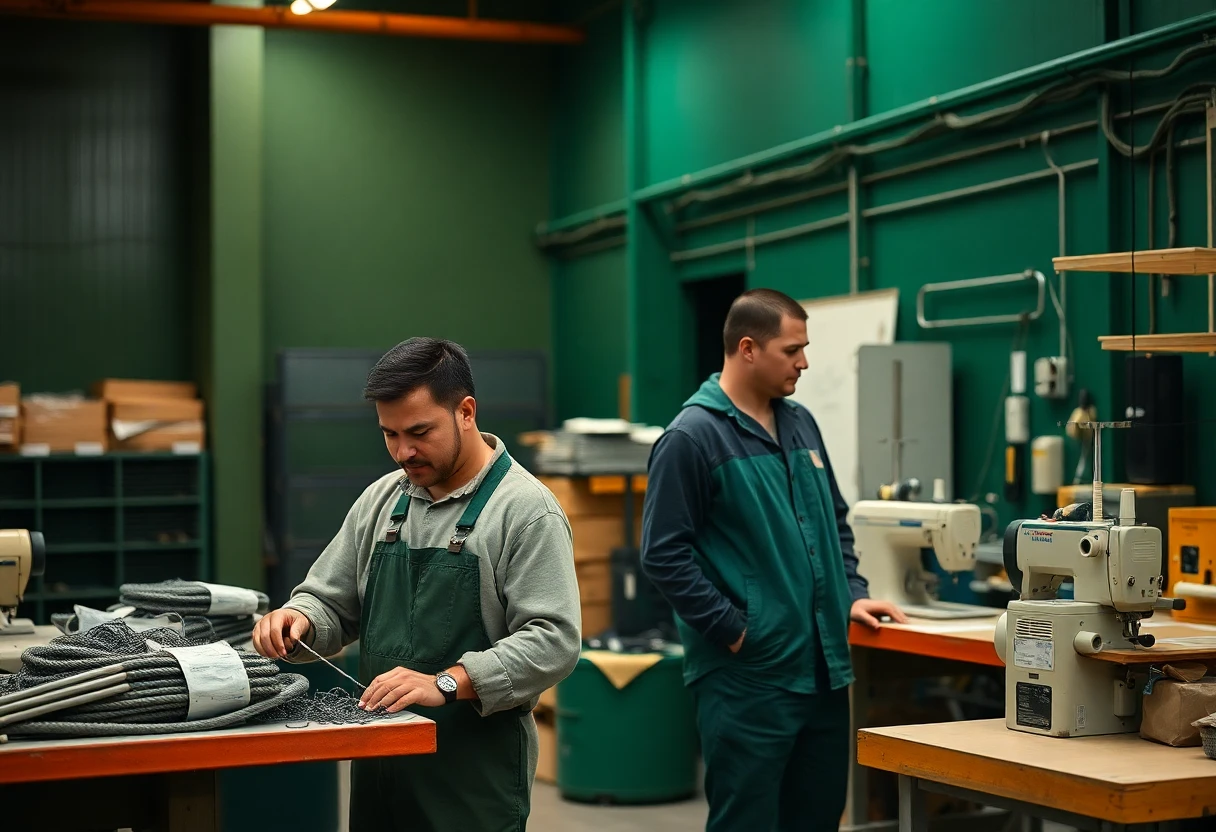
Garment and tailoring work
The tailoring listings form their own cluster. They suit people with sewing, fitting, alteration or garment-finishing skills rather than general factory experience. Read the contract wording carefully: one role is explicitly seasonal and part time, while another advertises an hourly range.
Seamstress
The Glasgow Seamstress / Tailor listing is the broadest tailoring title in the set, which could cover alterations, repairs or garment construction. The supplied data does not show pay, hours or employer details, so your application should spell out the garments you can alter and the equipment you use. Compared with the seasonal part-time role, this listing may offer a broader employment brief, but the missing contract information needs checking.

Seasonal Temp Tailor
The Tailor 8h Seasonal Temp listing is the clearest short-term option: it is part time, on-site, based at LS Greenhithe Bluewater and marked as available today in the supplied page content. The eight-hour wording needs clarification because it could mean an eight-hour shift or an eight-hour weekly arrangement. Seasonal work can start faster, but ask about the end date, rota and chance of extension before treating it as stable income.

Tailor
The Manchester Tailor listing is a better geographic match than the Glasgow roles for applicants already living near Greater Manchester, but the supplied information gives no rate, hours or contract type. That makes the portfolio especially important: show clean hems, repairs, alterations and finishing work rather than relying on a generic CV. It is the one to investigate after confirming whether the employer needs retail alterations, workshop production or both.

Tailor Seamstress
The Plymouth Tailor Seamstress listing is the only item here with pay shown upfront: £13 to £16 an hour. That transparency gives it an edge over the other tailoring vacancies, although the range is wide and the advert does not explain what experience earns the top rate. I would prioritise this one if you already have alteration skills and want to compare a known hourly range against the uncertainty elsewhere.

The tailoring group shows why pay visibility matters. A stated range of £13–£16 an hour is easier to assess than an attractive title with no rate at all, but it still does not answer every question. Ask about paid trial work, equipment, break arrangements, weekend trading and whether seasonal hours are guaranteed.
Quick decision framework
Choose the Plymouth night CNC role if you already operate CNC machinery, can manage overnight work and want a technical manufacturing path.
Choose the Edinburgh horizontal-borer role if your experience is specifically aligned with large components, boring operations and precision work, and you can apply before 18 November 2026.
Choose a production operative role if you have factory experience or want a more direct production-floor route. Compare the Liverpool and Manchester shift details before deciding.
Choose Bristol customer service if you know manufacturing products or processes but prefer communication, order handling and customer support to machine operation.
Choose tailoring if sewing and alterations are your strongest skills. The Plymouth listing is easiest to price because it shows £13–£16 an hour; the Greenhithe role is the clearest short-term option because it is marked seasonal, part time and on-site.
Before applying, prepare a two-minute explanation of your skills, availability and travel plan. Search through verified job-board pages, apply on the employer or listing site, and never pay a recruiter for access to a vacancy.
Find Greats Jobs connects you with job listings from across the web. We are not an employer and do not represent any of the companies listed.
Manufacturing choices often come down to more than job title: shift pattern, technical skill and location can change the whole deal. For a wider comparison of those factors, read Production Jobs Compared: Shifts, Skills and Locations.


